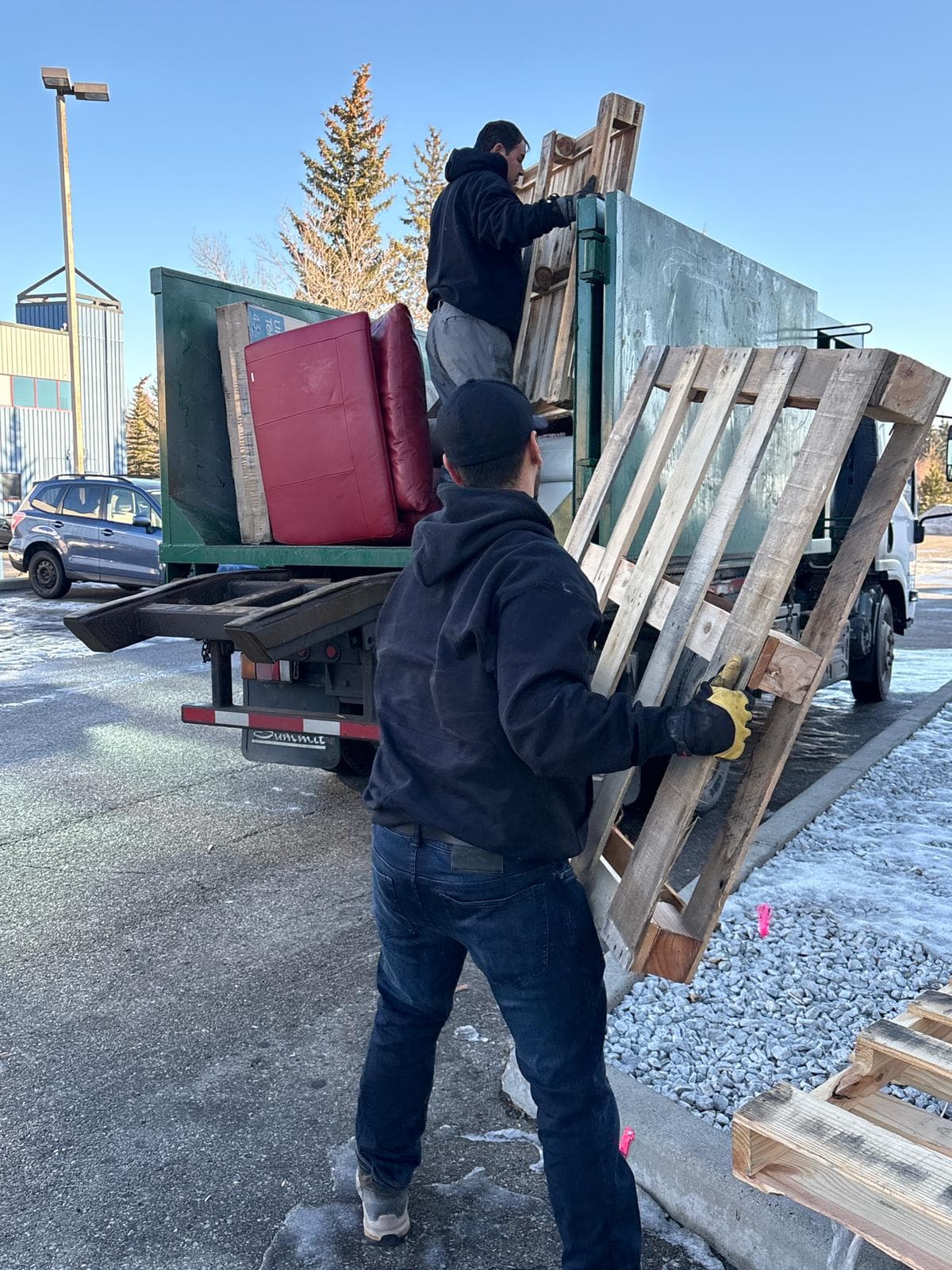
Decluttering is easier when you follow a proven framework. Start with a quick survey of your home or workspace and circle high‑impact areas: garages, basements, spare rooms, and entryways are the usual clutter magnets. Commit to a realistic timeline (one weekend, two evenings, or a single afternoon per room) so momentum never fades.
Create four clear categories—keep, donate, recycle, dispose—and stick to them. Keep means the item is useful and has a designated home. Donate goes to charities or reuse centers. Recycle includes metal, e‑waste, clean wood, and cardboard. Dispose is the last resort for items that cannot be reused or recycled.
Use simple tools to speed up decisions: painter’s tape for labeling, clear contractor bags for visibility, heavy‑duty bins for sharp or heavy materials, and a measuring tape to check doorways and stairs. Safety matters—work gloves, closed‑toe shoes, and a clear path reduce accidents and save time.
For furniture and appliances, plan the route out of the building. Measure tight turns, remove doors if necessary, and protect walls with blankets. If stairs are involved, assign spotters and communicate every move. Professional crews bring dollies, straps, and stair‑climbers to prevent damage and injuries.
Bundle smalls first. Loose clutter makes the process feel chaotic. Bag cables, hardware, and odds‑and‑ends by category, then label. Clear staging areas near exits or garages minimize back‑and‑forth trips and accelerate loading.
If you’re moving, declutter before packing. Every box of junk you carry to a new space costs time and money. Removing non‑essentials early reduces packing materials, truck size, and unloading complexity.
Plan donation pickups in advance. Calgary charities appreciate clean, working items: furniture, kitchenware, linens, books, and clothing. Include remotes, cables, manuals, and hardware with electronics to increase reuse value. Fold clothing and wipe surfaces to make intake faster for volunteers.
Know what not to toss. Paint, chemicals, propane tanks, and certain batteries require special handling under city guidelines. Call ahead or check municipal resources for drop‑off locations and protocols. This keeps your cleanup compliant and environmentally responsible.
E‑waste deserves its own lane. Laptops, desktops, printers, and small electronics can be de‑manufactured to recover metals and components. Keep cords together, wipe personal data if possible, and route devices to certified recyclers or through a professional junk removal service that handles e‑waste.
Metal recycling is a quick win. Separate ferrous from non‑ferrous when possible. Clean scrap and clearly sorted metal fetch better processing outcomes and reduces landfill impact. Professional teams can help identify recyclable types on the spot.
Construction debris requires a plan. Drywall, tile, wood, and concrete are heavy and often dusty. Bag appropriately, stack neatly, and avoid overloading bags. Clear walkways, and use ramps or dollies to prevent strain. For larger renovation projects, book dedicated debris removal to keep sites safe and efficient.
Mattresses and bulky items need special attention. Many facilities reclaim materials or route items to appropriate streams. Check policies in advance so you aren’t stuck with an oversized item on removal day.
Set micro‑goals to stay motivated. Work in 25‑minute sprints with a 5‑minute break. Each sprint should end with visible progress: an empty shelf, a cleared corner, a labeled stack. Visible wins fuel momentum.
Use a simple inventory list for donations. It helps with personal records and can support community reporting for relocations or projects. Photos of grouped items make documentation easier and speed up scheduling.
Communicate priorities when booking junk removal. Let the crew know which rooms come first, which items need protection, and any access constraints such as back alleys, elevators, or parking restrictions. The clearer the plan, the faster the job.
Reserve parking or loading access. Removing distance between the staging area and the truck shortens haul time and reduces labor costs. If you live in a dense area, coordinate with neighbors or building management.
Think ergonomics. Keep heavy items waist‑high as you stage them for removal. Use rolling bins for books or dense materials. Disassemble furniture when possible to reduce weight and improve maneuverability.
After removal, reset the space. Vacuum, wipe surfaces, and place remaining items thoughtfully. Add shelves, hooks, or labeled bins to prevent clutter from creeping back in. A clean, organized room reinforces the value of your effort.
For businesses, schedule off‑hours cleanouts. This minimizes disruption and lets crews work efficiently in empty corridors and loading docks. Document disposal for compliance and insurance; ask for recycling and donation reports when needed.
Choose eco‑friendly hauling. Donation comes first, recycling second, and disposal last. Ask how your items are routed and whether receipts or recycling documentation can be provided. Responsible junk removal keeps useful goods in circulation and reduces landfill load.
Most importantly, start small today. One drawer, one shelf, one corner. Momentum is everything—once clutter begins to move, the rest follows. If you need help with heavy lifting, tight spaces, or large volumes, professional Calgary junk removal brings tools, crew, and logistics to finish the job quickly and safely.
Whether it’s a garage purge, an estate cleanout, or a post‑renovation haul, a clear plan and the right support turn an overwhelming task into a smooth, fast win. Declutter smarter, protect your time, and keep as much as possible in the donation and recycling streams.